400G
400G OSFP DR4
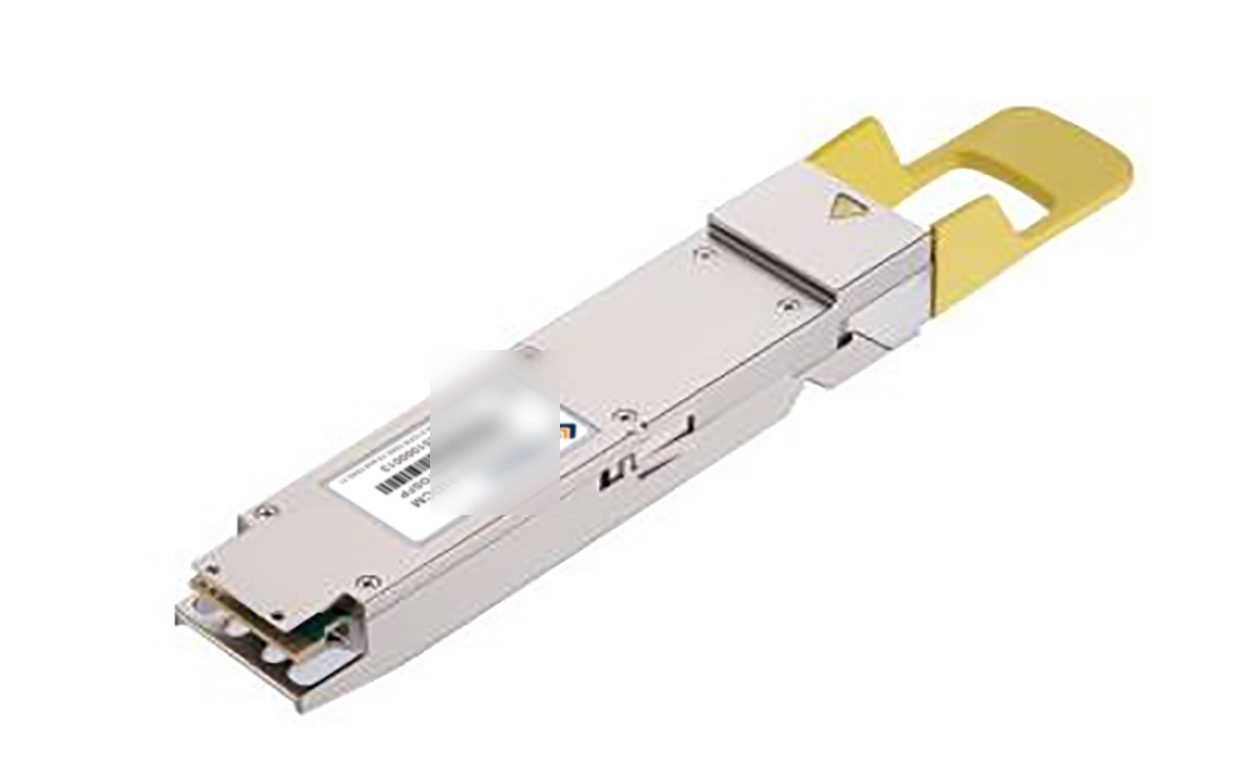
400G OSFP DR4 optical transceiver for high-throughput data center interconnect applications.
Communication Products
Product Overview
The core advantage of this optical module lies in its powerful high – speed transmission capability. It can achieve a transmission rate of up to 400Gbps. Through four independent channels, each channel transmits data at a rate of 100Gbps in parallel. This feature enables it to quickly transfer a large amount of data in an instant, significantly shortening the data processing and response time. In a data center environment, whether it is processing massive amounts of user data, conducting complex data analysis, or supporting cloud computing and artificial intelligence applications with extremely high real – time requirements, the 400G OSFP DR4 can handle them easily, ensuring the efficient flow of data.
Performance Specifications – Optical
Transmitter Optical Specifications
| Parameter | Symbol | Min | Typical | Max. | Unit | Notes |
|---|---|---|---|---|---|---|
| Wavelength | λC | 1304.5 | 1311 | 1317.5 | nm | |
| Side Mode Suppression Ratio | SMSR | 30 | – | – | dB | |
| Average Launch Power, each lane | AOPL | -2.9 | – | 4.0 | dBm | 1 |
| Outer Optical Modulation Amplitude (OMAouter), each Lane | TOMA | -0.8 | – | 4.2 | dBm | |
| Launch power in OMAouter minus TDECQ, each lane | TOMA-TDECQ | -2.2 | – | – | dBm | |
| Transmitter and Dispersion Eye Closure for PAM4 (TDECQ), each lane | TDECQ | – | – | 3.4 | dB | |
| TDECQ – 10log10(Ceq), each lane | – | – | – | 3.4 | dB | |
| Average Launch Power of OFF Transmitter, each lane | TOFF | – | – | -15 | dBm | |
| Extinction Ratio | ER | 3.5 | – | – | dB | |
| Transmitter transition time | Tr | 17 | ps | |||
| RIN21.4OMA | RIN | – | – | -136 | dB/Hz | |
| Optical return loss tolerance | ORL | – | – | 21.4 | dB | |
| Transmitter Reflectance | TR | – | – | -26 | dB | 2 |
Receiver Optical Specifications
| Parameter | Symbol | Min. | Typical | Max. | Unit | Notes |
|---|---|---|---|---|---|---|
| Wavelength | λC0 | 1304.5 | 1311 | 1317.5 | nm | |
| Damage Threshold, each Lane | AOPD | 5 | – | – | dBm | |
| Average Receive Power, each Lane | AOPR | -5.9 | – | 4 | dBm | |
| Receive Power (OMAouter), each Lane | OMAR | – | – | 4.2 | dBm | |
| Receiver Reflectance | RR | – | – | -26 | dB | |
| Receiver Sensitivity (OMAouter), each Lane | SOMA | – | – | Max(–3.9, SECQ – 5.3) | dBm | 1 |
| Stressed Receiver Sensitivity (OMAouter), each Lane | SRS | – | – | -1.9 | dBm | 2 |
| Conditions of stressed receiver sensitivity test | ||||||
| Stressed eye closure for PAM4 (SECQ), lane under test | SECQ | – | 3.4 | – | dB | |
| SECQ – 10log10(Ceq), lane under test | Ceq | – | – | 3.4 | dB | |
| OMAouter of each aggressor lane | – | – | 4.2 | – | dBm |
Technical Notes
- Transmitter: Average launch power for each lane (minimum) is informative and is not the principal indicator of signal strength.
- Transmitter: Reflectance is defined looking into the transmitter.
- Receiver: Sensitivity (OMAouter), each lane maximum, is informative and is defined for a transmitter with SECQ up to 3.4 dB.
- Receiver: Measured with a conformance test signal at TP3 for BER = 2.4×10⁻⁴.
Need a customized telecom solution?
Send your target application, quantity and technical requirements. Our team will prepare a suitable product plan.